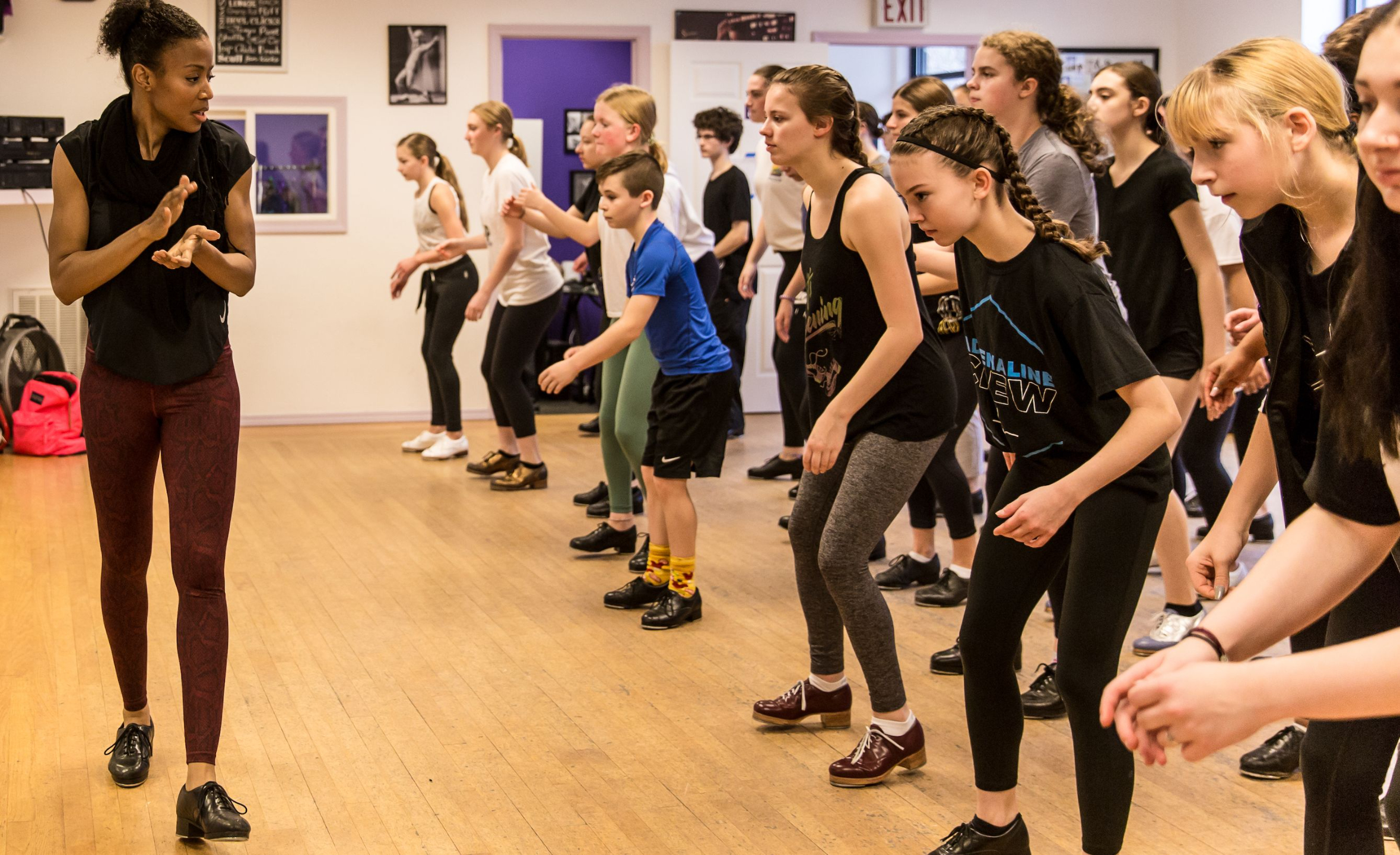
The ‘Swing Feel’ Experiment That Lasted TWO Years (And What Finally Helped)
After a few years of teaching, I knew that my instruction in musicality had to improve. So I came up with a way to teach swing rhythm more proactively, and I was excited…until I start trying it out.
In those classes, there were usually three types of students:
Group 1 (the “got it” group):
One or two demonstrations, they were good. They heard it, they did it.
I told them, “This rhythm is called swing.”
And they said, “got it.”
Bless them!
They made my job easier. 😃
Group 2 (“the middle of the road” group):
The ones who could get it with a little more breakdown.
So I tried to explain swing while gesturing along my forearm to show the rhythmic pattern:
“short-long… short-long…”
I looked up to see their eyes scanning my forearm intensely…
trying so hard to understand what on EARTH I was talking about.
It worked for some of them…
…but then there were my most challenging students.
Group 3. Let’s just call them the “bless your heart” students. ☺️
The ones who tried.
Who stayed with it.
…but they just didn’t get it. I could hear their sighs.
They were probably looking at the lint on my sleeve as I did my forearm gesturing.
I had lost some of them entirely...
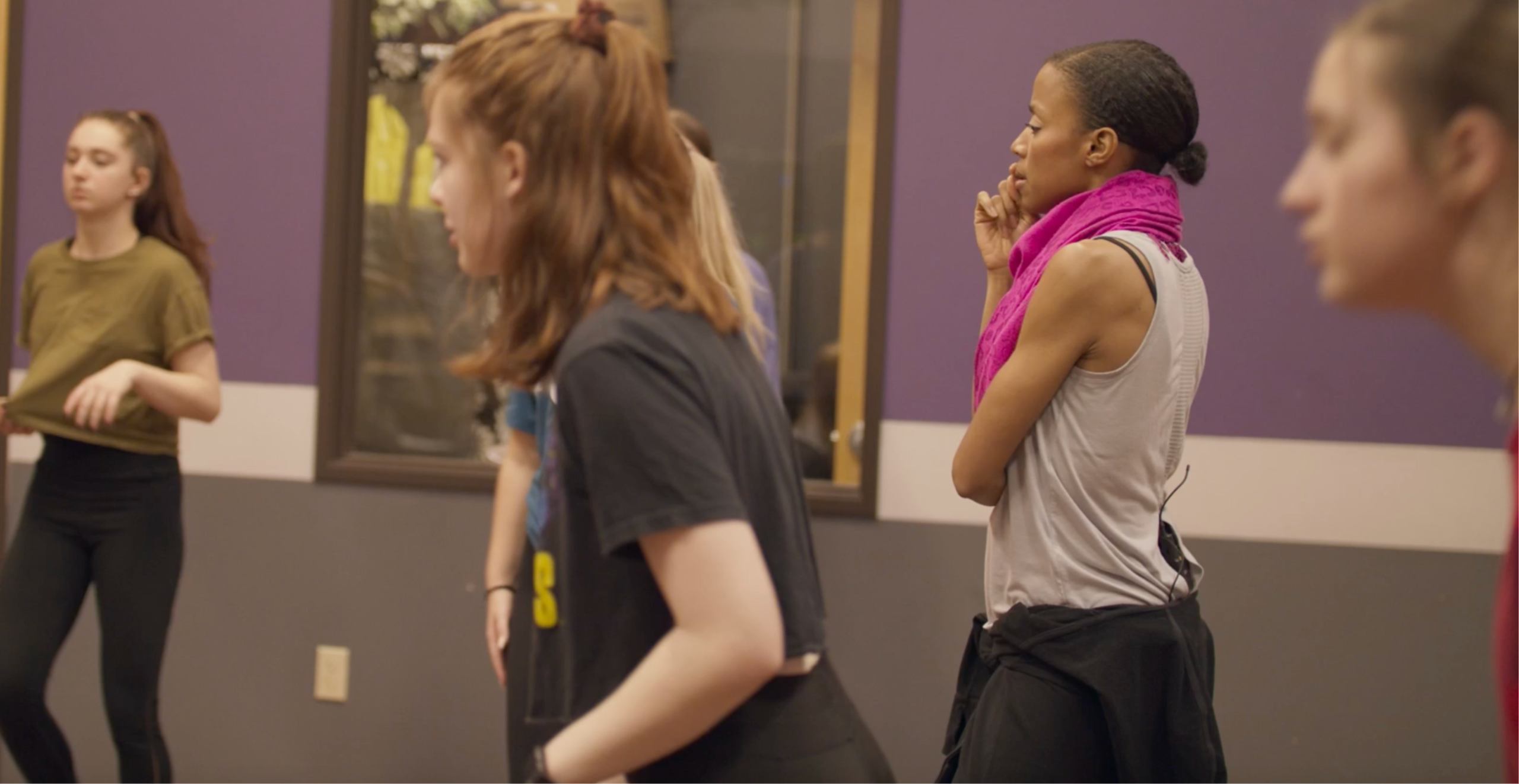
Despite how hard it was, I knew the “bless your heart” students weren’t the problem.
It was my “forearm swing” explanation! It was weird and convoluted!
----------------
💥 And let’s be honest: Groups 2 and 3 are the main reasons we have full Tap classes.
Most students are NOT naturals…and if they were, they’d be learning Tap online for free — not paying for our expertise.
The majority of our students need more…
they struggle, but still desire to improve.
These are the ones that need to be taught. And when it came to teaching musicality, it was these students’ progress that I learned to measure my success by.
My progress as a Tap teacher was slooow. But I persisted.
I kept doing that forearm thing for TWO YEARS.
Sometimes I pounded my feet harder (ouch). Yelled “stop rushing” more times than I can count. (PS - they usually knew they were off the music, so why was I stating the obvious? Lol They didn’t know HOW to stop rushing!)
My teaching approaches got better over time, but it was “back to the drawing board” again and again.
And one day, I got this incredible advice from a master teacher.

I was at a Tap festival at Debbie Allen’s studio when I saw the late, but oh-so-great, Arlene Kennedy in the lobby. My mind started racing, trying to think of a good question to ask her about being a better Tap teacher.
This woman taught world-class Tap dancers like Dormeshia since childhood. She’s a legend!
The best question I could come up with was “Ms. Kennedy, how do you teach pullbacks effectively?”
She gave me some ideas. But what stayed with me most was this:
“You have to say the same thing in a lot of different ways.”
----------------------------------
It’s our job to get better at reaching them. And these days, with so many “instant results” minded students, we need to reach them FASTER than ever...before they give up.
Our teaching processes around musicality must be efficient, clear, intentional, and systematically delivered.
With this wisdom in my bag, back to the drawing board I went.
Eventually, teaching swing became easier, and so did teaching syncopation and other rhythms. I even figured out how to help students avoid rushing! 🎉
Students understood faster…even the “bless your heart” students started to light up as they grasped concepts and executed with clarity!
I felt less pressure and had more fun as I knew I had enough tried-and-true skills in my bag to bring ALL my students along, regardless of their talent level.
But there was a huge problem.

The problem?
It took me years.
I figured everything out while I was experimenting on paying students. The forearm swing gesture thing was one of my better ideas…there were a lot of “stinker ideas” that my students endured - while paying for my “expertise”!
If I had access to teacher training at the time, I could have saved years of frustration — for myself and for them.
I could have helped more students light up about Tap, sooner.
Trial-and-error is not a "neutral" option.
In yesterday’s poll, the most common response by FAR was:
“I know musicality is important, but I haven’t figured out how to build it proactively into my teaching plans.”
And at the heart of so many classroom problems is this exact sticky spot in our teaching — musicality.
Tap teachers have come to me because:
⚠️ students weren’t engaged or excited about Tap
⚠️ they got frustrated and confused easily
⚠️ they were hitting ruts and ceilings the teacher couldn’t navigate fast enough on their own
⚠️ or the size or reputation of their Tap program wasn’t what they hoped forHow can students stay enthusiastic about Tap when they don’t really get the essence of it?
When musicality lives on the sidelines of a teaching plan, Tap can start to feel:
- confusing
- overwhelming
- or just… not that fun. 🫤
And what so many teachers have realized — the hard way — is that losing students’ enthusiasm for Tap is far more costly than investing in the skills to teach it well.
Yes, “muddling” through” teaching approaches used to be the way.
-----------------------
But in today’s world of fast expectations and limited class time, old-school trial-and-error approaches simply take too long.
Teachers I’ve trained are often relieved to finally have faster, tried-and-true, systematic ways to teach musicality to any student who walks into their class — not just the naturals.
Approaches that create:
- more “a ha” moments
- cleaner and faster execution
- and students who walk out of class each week looking forward to the next one 😃
Because teachers deserve the chance to open the doors to the true heart 🎵 and joy of Tap for every student — this week, next week, next year, and beyond. ❤️