My Fellow Tap Teacher,
You've Noticed Something Important
Clicking that poll puts you in very good company.
Hard-working Tap Teachers just like you hit roadblocks when it comes to their students' musicality. I've seen it time and again, from conventions to professional auditions.
So here are some things you need to know that too many Tap teachers haven't heard.
When I was teaching aspiring professionals at Broadway Dance Center in NYC, auditioning and performing as a Tap dancer, judging comps, and teaching Tap at conventions around the country, this gap became impossible to ignore.
Dancers felt confident.
They even knew a lot of Tap vocabulary.
But when it came time to dance clearly, in rhythm, and on time...majority struggled.
The frustration could be palpable.
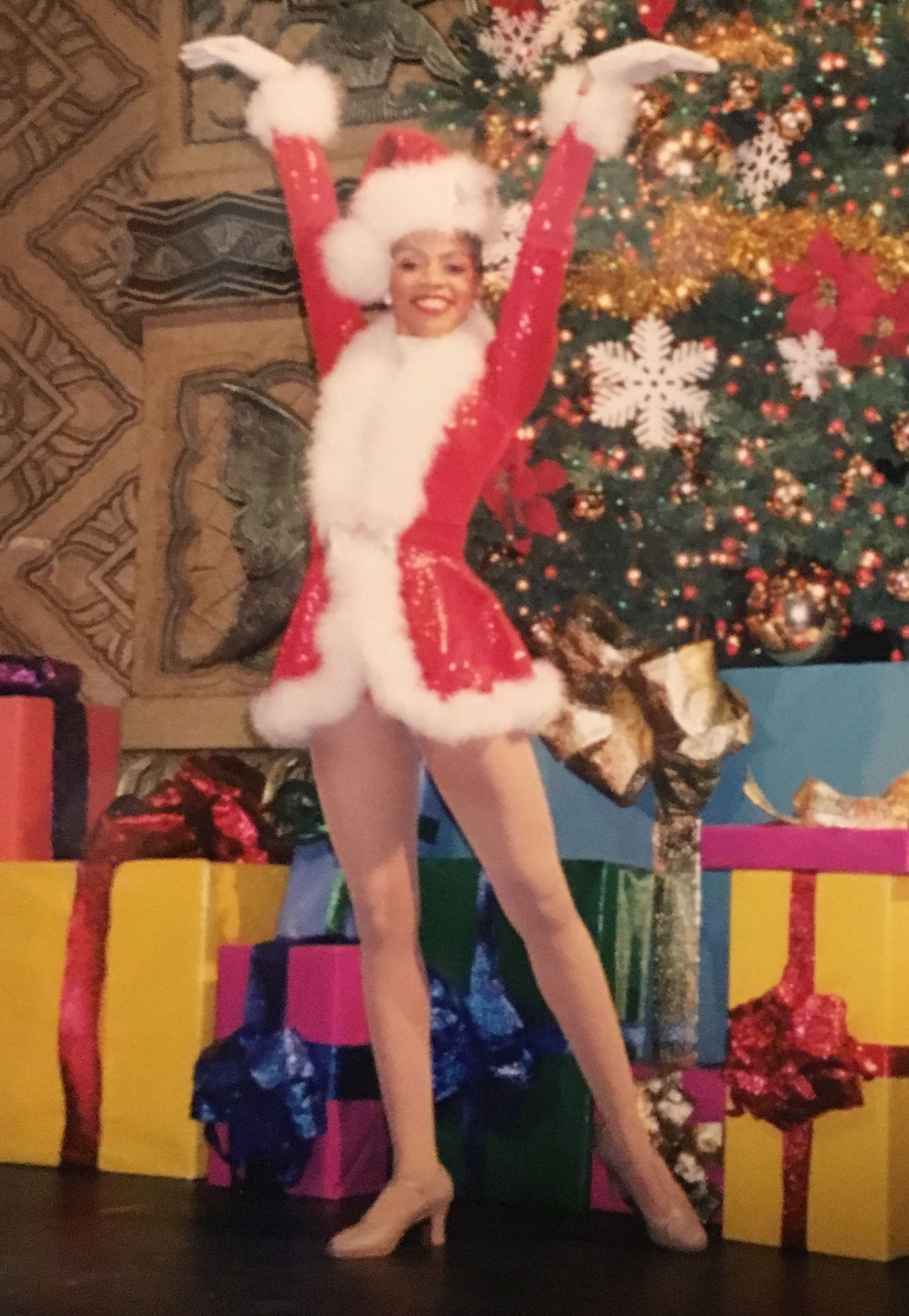
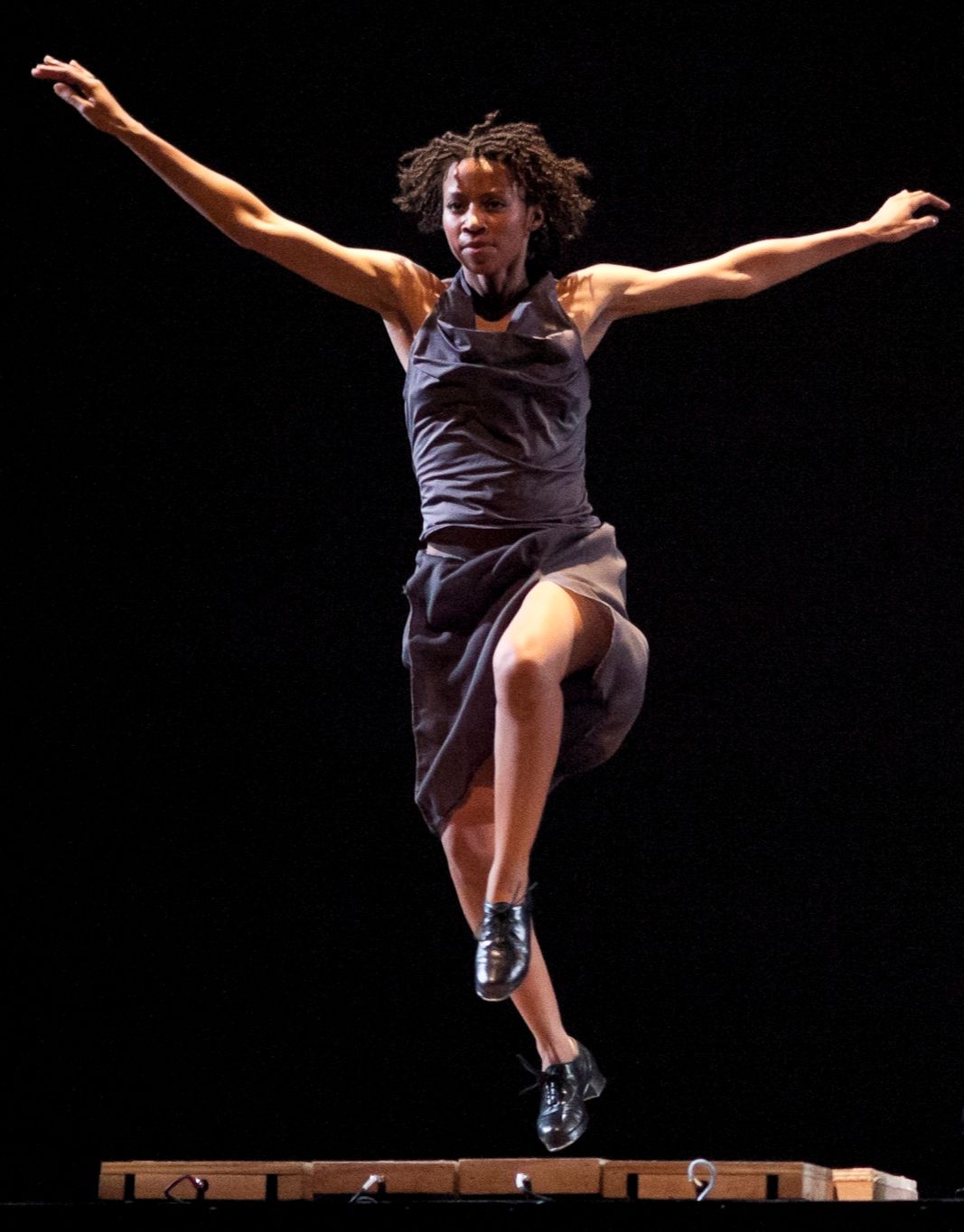
Now here’s something that surprises a lot of teachers:
Some of the Tap steps I performed as a Rockette were the same steps I later performed in Dorrance Dance's concert Tap work.
In some cases, the rhythms were even the same.
The choreography style does not matter.
In Tap dance, musical understanding & execution are required.
The ability to make the steps say something is what defines Tap dancing.
To be responsible for every note you put on the floor.
Now let's take it back to beginning/intermediate students.
The struggle with musicality often begins...at the beginning. I've seen it often at Tap conventions with young students just like yours and mine.
When students get overwhelmed in a Tap master class, it’s often not because the choreography is “too hard.”
It’s because they haven’t been taught how to learn Tap.
And learning Tap means learning how to:
-
perceive rhythm patterns
-
contextualize the rhythm
-
execute it quickly & successfully
Those skills don’t appear on their own.
They’re taught.
But can you really teach musicality?
This is a great question, and I issue a friendly challenge to those who doubt whether musicality can be taught.
Inside the Tap Teachers’ Lounge, I’ve trained teachers who tell me they now get chills watching (and hearing) what their students can do.
Not because their Tap students magically became musical.
But because the teachers learned how to teach rhythm intentionally.
They’re amazed by:
-
how much more engaged their students are
-
how much faster they pick things up
-
how much cleaner they sound
All because musicality moved from something we hope happens…
to the foundation of lesson planning and leveling.

A fair question I hear often is:
“Each step makes a rhythm...so don’t Tap steps already teach rhythm?"
Short answer?
No.
Without intention, Tap steps are just… noise.
We have to teach students how to turn Tap sounds and steps into recognizable language — not just to you, their teacher, but to the average ear.
Yes, a paddle & roll (aka paradiddle) can say “1-e-&-a.”
Teaching that is its own challenge, but that challenge is only the beginning of the story.
As students advance, Tap should develop more musical sophistication.
Because just as the steps evolve, the sound must evolve too.
This is one of Tap’s greatest advantages.
Why do a la seconde turns in Tap shoes when we can WOW audiences with rhythm in a way other styles can't?
But that doesn’t happen accidentally.
It happens when musicality is placed at the core of the teaching plan — from the very beginning.
True, Many of Us Were Never Taught Musicality...but we MUST do it now.
Many Tap teachers (myself included) don’t remember being proactively taught musicality.
We just… got it.
And when something comes easily, it’s natural to assume it will come easily to our students, too.
But many of us stepped into teaching because we were among the “naturals” —that small percentage of the students in class.
Most of our students are average — or struggling students — who need musicality to be taught clearly, intentionally, and systematically.
Add to that the reality that Tap often gets less time in the weekly schedule than other styles…
while fast, visible progress is still expected.Bottom line: We’re being asked to do more, in less time, with more urgency (and impatience) than ever.
That means our teaching skills around musicality have to be sharper, clearer, and more efficient than they ever had to be “back in the 1900s” when I was learning. 😄
Musicality can be taught.
But it has to be taught on purpose.
Where do I start?
If musicality has ever felt hard to define, hard to plan for, or hard to teach — that’s not a personal failing.
It’s a sign there are gaps in the plan.
Those gaps can leave too many students (and teachers!) stalled and frustrated.
The good news is: When the plan changes, everything else can change too.
Comprehensive Tap Teacher Training is the place to begin. It's the modern solution that helps Tap teachers meet the demands of 21st-century Tap dance education.